

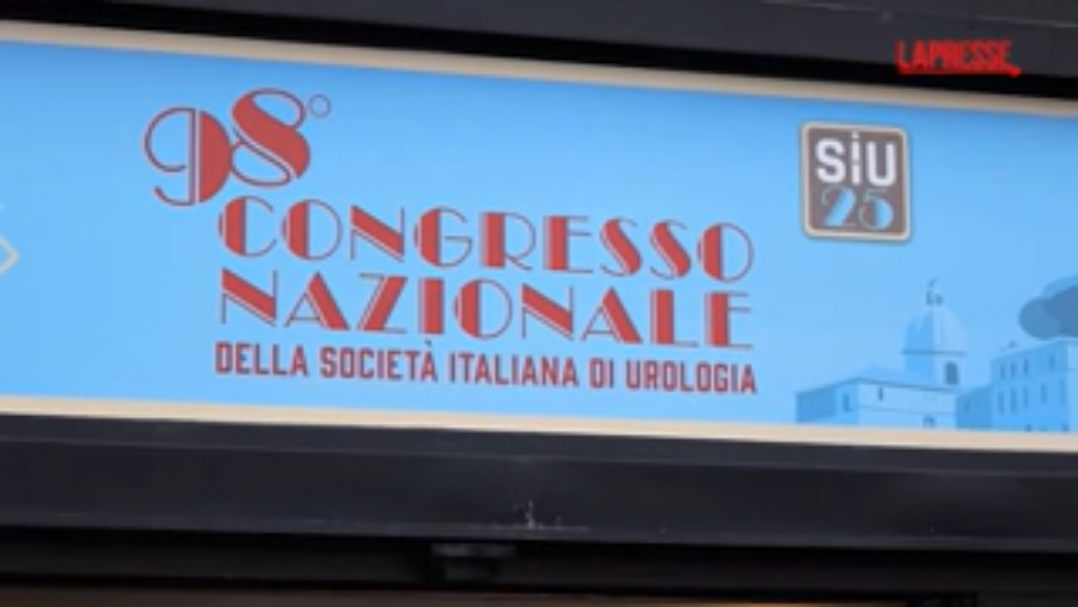
The 98th edition of the National Urology Congress of the Italian Urological Society was held in Sorrento at the Hilton Sorrento Palace from 6 to 9 November 2025, bringing together Italian and international professionals around a common mission: putting knowledge at the service of public health. The event represents a crucial moment of scientific exchange where researchers, clinicians, healthcare professionals and residents share the latest developments in the field of urology.
The congress is characterized by a multidisciplinary and human-centred approach based on three fundamental pillars: prevention, health education and the sustainability of care. According to Giuseppe Carrieri, president of SIU, this scientific meeting is an opportunity to reflect on the central role of urology in the quality of life of millions of people, especially in the context of men’s health.
Male frailty is the core theme of the campaign launched by SIU in November, an initiative that overturns the traditional perception of urological care. Andrea Salonia, head of the SIU educational office and full professor of urology at the Vita-Salute San Raffaele University in Milan, underlines how the urologist is the doctor for men in a global sense, addressing not only clinical diseases but also psychological and relational frailties.
According to Salonia, contemporary therapeutic approaches go beyond simple pharmacological or surgical solutions. The combination of expertise that the urologist brings into play makes it possible to build integrated therapeutic strategies, which combine timely diagnosis, prevention and personalized care based on the specific needs of each patient.
Technological innovation is an increasingly decisive element in the Italian urological landscape. Andrea Minervini, head of the SIU research office and director of urology and andrology at the Careggi University Hospital in Florence, highlights how robotic surgery is now widely used in the specialty.
There are 215 surgical robots in Italy, and the most significant figure concerns urological specialization: 54% of all robotic procedures nationwide are performed precisely in urology. This concentration is not accidental, but reflects the effectiveness of the technology in treating the three main urological cancers: prostate carcinoma, kidney carcinoma and bladder cancer. Robotic surgery offers significant clinical benefits, ensuring less invasiveness, greater precision and shorter recovery times for patients.
Vincenzo Ficarra, full professor of urology at the University of Messina and head of the SIU scientific office, reiterates the importance of prevention as the primary tool in tackling urological diseases. Good practices do not require extraordinary interventions, but are rooted in conscious daily choices.
Adequate hydration is the first preventive measure. A sufficient intake of fluids significantly reduces the formation of kidney stones and decreases the risk of recurrent cystitis. This simple habit, often underestimated, constitutes a key barrier against frequent conditions in the male population.
Nutrition plays a decisive role in urological prevention. The Mediterranean diet, characterized by an abundance of fruit, vegetables, legumes and whole grains, offers natural protection against numerous urological diseases. It is essential to limit the consumption of cured meats, red meat and foods with a high fat content, which can contribute to inflammation of the urinary tract.
An active lifestyle, with regular physical activity, counteracts a sedentary routine and reduces risk factors related to urological diseases. Quitting smoking is perhaps the most effective preventive measure: smokers have a nine times higher risk of developing bladder cancer compared to non-smokers.
The 98th SIU National Congress in Sorrento shows how contemporary urology combines technological innovation with a renewed preventive and human approach. The Italian urological community reiterates that men’s health is not merely a medical issue, but a commitment that requires individual awareness, integrated specialist support and the widespread adoption of correct preventive practices.